

Education is meant to help a human being grow, not just perform. When I look at my journey from the classrooms of Rourkela to leading Learning and Development at International Mindset Academy, one truth has become crystal clear. Any system that focuses only on marks, memory, or measurable skills will always leave a silent pain gap inside the learner. Holistic education and experiential learning were not “concepts” for me. They were the answer to real children, real parents, and later, real professionals sitting in front of me with unspoken emotional needs and invisible wounds from a narrow, exam-driven system.
This blog explores why education must address the whole human being, at every age and stage of life. You will walk through what holistic education really means in practice, why experiential learning is such a powerful bridge between theory and real life, and how whole person development can reshape classrooms, homes, workplaces, and leadership itself. Whether you are a parent, teacher, coach, leader, or a learner on your own growth path, this is for you.
Across the sections, I will invite you to relook at how you learn, how you help others learn, and how you can create spaces where emotions, relationships, values, and purpose are not side notes but central pillars. You will also see how at IMA we translate these ideas into journeys that transform mindsets, not just résumés. I hope that by the end, you will not only understand holistic education and experiential learning as theories, but also feel inspired to embody whole-person development in how you think, relate, and lead.
Table of Contents
Why is intellect alone not enough?
Focus: The limits of purely academic or cognitive learning and the hidden cost of ignoring emotions, relationships, body, and values.
For most of my childhood, I watched brilliant students shrink under the weight of marks and expectations. Some topped every exam, yet froze when they had to speak up, express a feeling, or handle a setback. Others were creative, relational, and sensitive, yet were labelled “average” because their gifts did not fit the answer key. Those early observations planted a question in my heart: what kind of education produces high scores but low self-worth, good memory but poor decision making, technical expertise but shallow empathy?
Intellect is a beautiful gift. Cognitive skills are necessary. We need analytical thinking, problem-solving, and the ability to process complex information. But when education worships intellect and ignores the rest of the human, it creates a dangerous imbalance. A child may learn to calculate profit and loss yet never learn how to navigate loss in real life. A professional may master strategy decks yet remain a stranger to his own emotions. A leader may know how to optimise performance but not how to hold space for a struggling team member.
In my years as a preschool teacher and counselor, I saw how early this split begins. A small child comes to school carrying not only a bag but also a home environment, a nervous system, relationships, fears, and unspoken stories. When we treat that child as just a brain to be filled, we unintentionally tell them that other parts of their experience are “less important.” Over time, they learn to suppress emotions to stay efficient, silence intuition to stay obedient, and trade authenticity for approval. This pattern does not disappear in adulthood. It simply wears a blazer.
The cost of this one-dimensional approach shows up in many ways. Anxiety, low confidence, difficulty in relationships, perfectionism, burnout, inability to handle feedback, and the constant feeling of “never enough” often have roots in an education that measured performance without nurturing personhood. When someone comes into an IMA program with an impressive profile yet shaky inner ground, it is rarely because they were lazy students. It is usually because their learning environments did not integrate the whole of who they are.
Holistic education starts from a simple but radical assumption. A learner is not a head walking into a room. A learner is a whole human being. There is a thinking mind, an emotional world, a body that stores stress and memory, a social self that longs for belonging, and an inner compass of values and meaning. When any of these dimensions is ignored, the growth journey remains incomplete. When all of them are acknowledged and supported, transformation becomes possible.
This is also why purely information-based courses so often fail to create lasting change. You can attend hundreds of webinars, read dozens of books, and take multiple certifications, yet still repeat the same patterns in your daily life. Information alone does not rewire behaviour. For real change, learning needs to touch emotions, reshape beliefs, involve the body, invite practice in real relationships, and align with a deeper sense of purpose.
In my work with children, I saw how a simple shift could change everything. If a child was struggling with numbers, instead of pushing more worksheets, I first looked at their emotional state. Were they anxious, tired, feeling unseen? Once we slowed down to regulate emotions and restore a sense of safety, learning started flowing again. Later, with adults, the same principle held. When a leader was “resistant” to feedback, instead of labelling them difficult, I became curious. What fear sat behind that resistance? What old story about failure or criticism was being triggered?
The point is not to reject academic excellence. The point is to place intellect back in its rightful place as one part of a larger ecosystem. A healthy mind is supported by emotional intelligence, social skills, embodied awareness, and clear values. Holistic education seeks to weave all these threads together so that learning does not produce fragmented humans but integrated ones.
At International Mindset Academy, this understanding is at the heart of every journey. Whether we are working with students, professionals, or leaders, we design learning experiences that honour the full spectrum of human experience. We do not ask “How can we deliver more content?” We ask, “How can this person feel seen, supported, challenged, and empowered as a whole human being while engaging with this content?”
“Education is not the learning of facts, but the training of the mind to think.”
– Albert Einstein
What does holistic education really mean in real life?
Focus: Explaining holistic education in practical terms and how it includes emotional, social, physical, creative, and spiritual dimensions.
The phrase “holistic education” can sound abstract or even vague until you see it in action. At its core, holistic education is an approach that seeks to nurture the intellectual, emotional, social, physical, creative, and sometimes spiritual dimensions of a learner in an integrated way. It does not treat these as separate boxes to be ticked. Instead, it recognises that they constantly influence each other.
Imagine a classroom where the goal is not just to finish the syllabus, but to build human beings who can think clearly, feel deeply, communicate honestly, and contribute meaningfully. In such a space, the teacher is not only a subject expert but also a facilitator of emotional safety, a guide for values exploration, and a designer of meaningful experiences. This is what I aspired to become across my years in schools and now at IMA.
In practical terms, holistic education includes emotional learning as a core part of the process. Children and adults are supported to name their feelings, notice patterns, and develop healthy ways to regulate emotions. Group circles, reflection exercises, journaling, and simple check-in practices become as important as textbooks. When emotions have a safe channel, they no longer hijack learning. Instead, they become data for self-awareness and growth.
Social development is another central pillar. Humans are wired for connection. How we listen, speak, handle conflict, collaborate, and set boundaries shapes both personal and professional outcomes. Holistic education intentionally cultivates empathy, active listening, perspective taking, and teamwork through group projects, discussions, peer feedback, and community-based assignments. People learn not only “what” to say, but “how” to say it in a way that honours both self and others.
Physical well-being often gets treated as a separate domain, handled by sports periods or occasional yoga classes. In holistic education, the body is recognised as a living participant in learning. Movement breaks, posture awareness, breath practices, and activities that involve the senses help learners stay present, focused, and grounded. For adults, this might look like mindful pauses during workshops or reflective walks as part of assignments. When the body is acknowledged, learning becomes less fatiguing and more sustainable.
Creative and spiritual dimensions are not about imposing any belief system. They are about opening space for imagination, meaning, and inner reflection. Art, storytelling, music, and role play allow learners to process experiences in ways that pure logic cannot. Quiet moments, guided reflections, or questions about purpose invite them to connect knowledge with a deeper why. This is especially important for teenagers and adults who are seeking direction in a complex world.
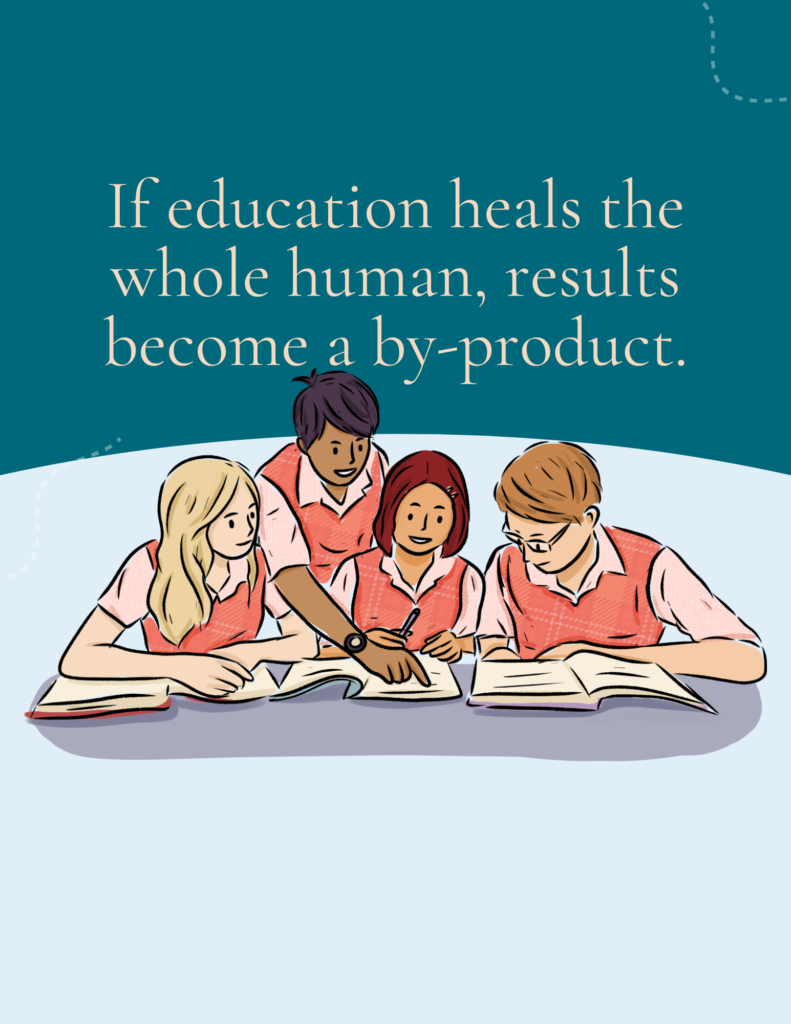
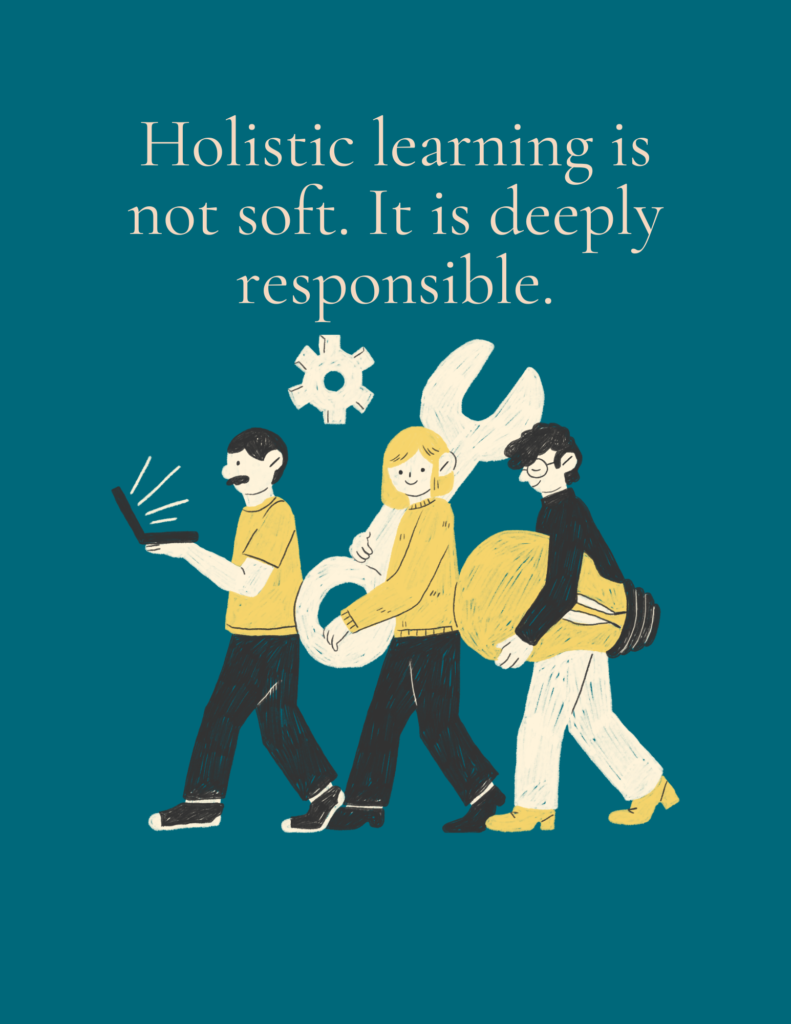
One of the misconceptions about holistic education is that it is “soft” or less rigorous. In reality, it often demands more from educators and institutions. It asks us to stay present, to model the very qualities we expect learners to develop, and to design experiences that touch multiple layers of the human being. It also requires thoughtful structures, not just inspirational ideas. Clear boundaries, consistent expectations, and accountability are essential, but they are held with compassion rather than fear.
In my own practice, a holistic session might weave together several elements. We might begin with a short grounding exercise, move into a concept explained through a real story, invite small group discussions that surface emotions and perspectives, offer a simple creative expression task, and close with a values-based reflection on how this learning will be applied. The subject could be anything from leadership to communication to life skills. What makes it holistic is the way it engages the mind, heart, body, and relationships together.
Research supports this approach. Studies on holistic and whole child education show that when emotional, social, and physical needs are addressed alongside academics, learners demonstrate better engagement, improved mental health, and even stronger academic outcomes over time. It makes sense. When a person feels safe, connected, and seen, the brain is more available for learning. When learning connects to real life and inner values, motivation grows naturally.
For adults in corporate or leadership programs, holistic education might include exploring personal narratives, understanding stress responses, practicing authentic communication, and aligning career goals with values. Many senior professionals have told me that such experiences touched them more deeply than any technical training they had ever attended. The reason is simple. For the first time, their whole self was invited into the learning space.
Holistic education is not a product you can buy off the shelf. It is a philosophy that needs to be lived, designed, and refined over time. It calls for educators, parents, and leaders to do their own inner work, to examine their beliefs about success, failure, discipline, and worthiness. Only then can we hold space for learners with the sensitivity and strength that true whole-person development requires.
“Educating the mind without educating the heart is no education at all.”
– Aristotle
Experiential learning: where growth becomes real!
Focus: How experiential learning works, why it is powerful for children and adults, and how it supports whole-person development.
If holistic education is the “what” and “why,” experiential learning is a key part of the “how.” It is the process of learning through direct experience, followed by reflection, conceptual understanding, and application. Instead of only listening to information, learners actively engage with tasks, real situations, and practice spaces that mirror life. This is where growth moves from theory to lived reality.
In my early teaching years, I noticed that children rarely remembered what was simply told to them. They remembered what they had done, felt, questioned, and discovered for themselves. When they planted seeds, cared for them, and watched them sprout, the concept of growth and responsibility rooted itself in their bodies and hearts. When they acted out a story rather than just reading it, they internalised characters, values, and emotions far more deeply.
Experiential learning follows a simple yet profound cycle. First comes a concrete experience. This could be a role play, a simulation, a project, a group activity, a real-world challenge, or even a carefully designed conversation. Then comes reflective observation, where learners pause to examine what happened, what they felt, what worked, and what did not. Next is abstract conceptualisation, where they connect their experience to principles, theories, or frameworks. Finally, active experimentation, where they apply their new understanding in fresh situations.
This cycle respects how humans naturally integrate learning. We do not truly change by hearing alone. We change by doing, feeling, thinking, and then doing differently. Experiential learning is especially powerful for developing emotional intelligence, social skills, and leadership capacities, because these cannot be mastered through reading alone. You can read about empathy, but until you practice listening to someone in pain, your understanding remains incomplete.
For children, experiential learning might look like project-based activities, nature walks, group games that teach cooperation, or problem-solving tasks that mirror real-life situations. For teenagers, it might include community work, internships, reflective journaling on challenges, or peer-led projects. For adults and leaders, it often involves simulations, case studies drawn from their own context, live coaching conversations, and real-time practice of communication tools during workshops.
At IMA, experiential learning is built into the design of every program, whether it is for students, parents, professionals, or senior leaders. Instead of “telling” participants about mindset, we invite them into experiences that surface their current patterns. An exercise may reveal how they respond to pressure, how they handle differences of opinion, or how they react to feedback. Once these patterns are visible and felt, the ground is ready for new insights and skills to take root.
One of the reasons experiential learning supports whole-person development so effectively is that it engages multiple dimensions simultaneously. A well-designed experience activates emotions, requires cognitive engagement, involves the body, and happens within a social context. This integrated engagement makes learning memorable and transformative. Learners are more likely to carry these shifts back into their daily lives because the learning is already woven into real behaviours and relationships.
There is also a humility built into experiential learning. The facilitator is not the only source of knowledge. The group, the process, and life itself become teachers. Participants learn from one another’s stories, from the discomfort of being challenged, from the relief of feeling understood, and from the clarity that emerges when they see themselves honestly in action. The role of the educator becomes that of a guide who creates safe yet stretching conditions for growth.
Some people feel nervous about experiential approaches because they fear losing control or being judged. This is why psychological safety is non-negotiable. Before inviting deeper experiences, the space must communicate respect, confidentiality, and non-shaming feedback. When people trust the environment, they become willing to step outside their comfort zones. That is where real change happens.
Over the years, I have watched experiential learning dissolve long-standing blocks. A parent who could not listen to their teenager without reacting experienced a role play from the child’s perspective and felt a sudden softening. A manager who believed he was “bad at empathy” realised through structured practice that empathy is a skill, not an inborn talent. A young adult who felt “not good enough” discovered through a service project that their presence and effort had a real impact on others.
These moments are not accidents. They are the result of careful design, rooted in an understanding of human development, psychology, and group dynamics. They also reflect a deep trust in the learner’s capacity to grow when given the right balance of support and challenge. Experiential learning, when held within a holistic education framework, becomes a powerful engine for whole-person development across all ages.
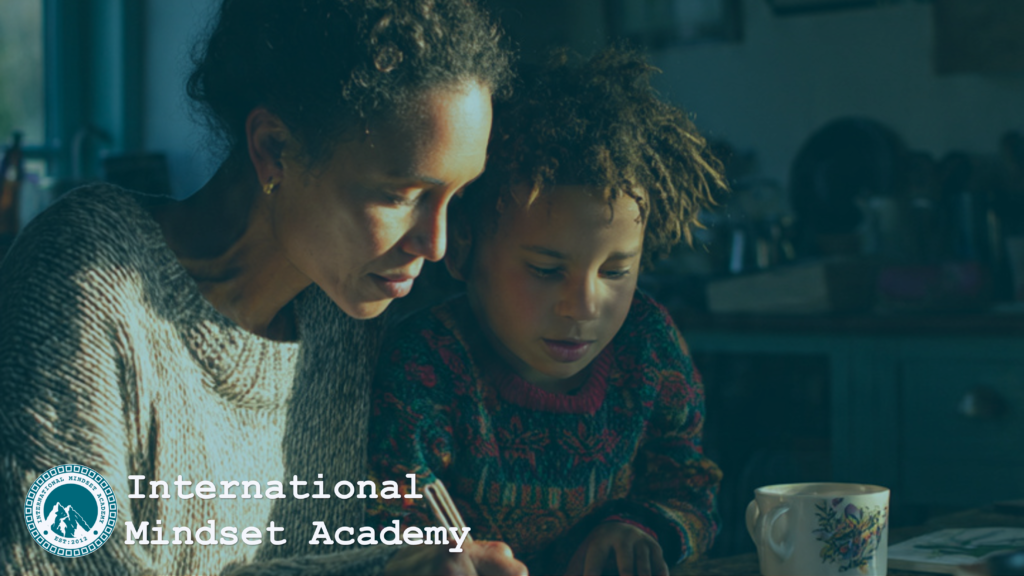
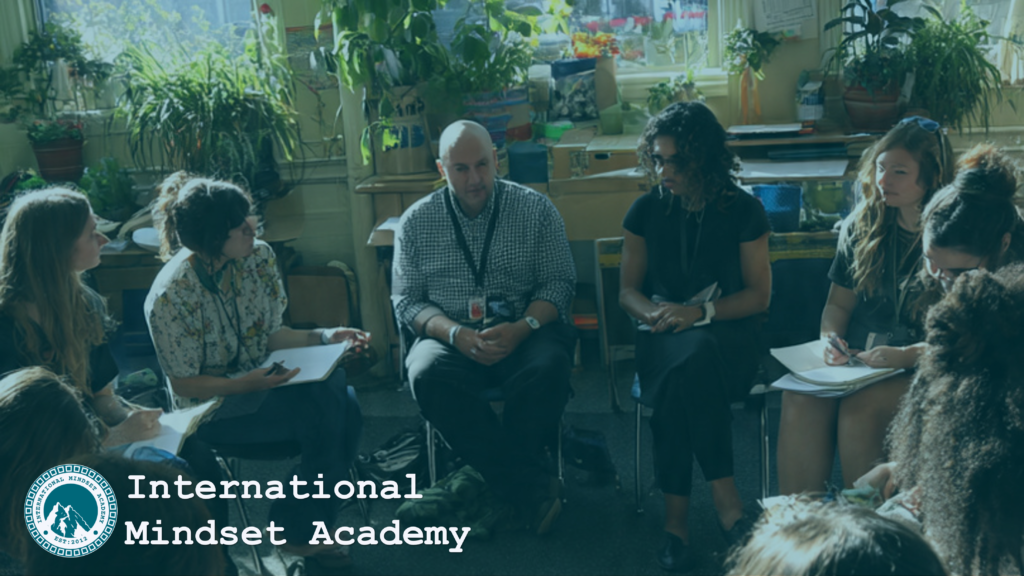
“Tell me and I forget, teach me and I may remember, involve me and I learn.”
– Benjamin Franklin
Whole person development in families, schools, and leadership
Focus: Applying these ideas in different contexts and inviting readers into the IMA way of learning.
Whole-person development is not only for schools or training rooms. It is a way of seeing and relating to human beings in every context. When families, schools, and leadership spaces begin to ask, “What does this person need as a whole human right now?” the quality of interaction and growth changes immediately.
In families, this might mean paying attention to the emotional and relational climate at home, not just academic performance. It means listening to a child’s fears as seriously as test scores, inviting them into decisions where appropriate, and modelling healthy ways to handle conflict. Parents who practice holistic education at home help children develop a stable inner world. Simple daily rituals like gratitude sharing, feelings check-ins, shared reading, or collaborative problem solving teach powerful life skills without formal lessons.
In schools, whole-person development can shape everything from curriculum design to classroom culture. Teachers can integrate reflection questions into lessons, create group norms that emphasise respect and inclusion, and use assessment methods that value creativity, collaboration, and personal growth alongside knowledge. School leaders can support teacher well-being, because a stressed educator cannot hold space for holistic learning. Policies can be aligned with values like compassion, fairness, and growth, not only compliance.
In organisations, leaders who embrace whole-person development move beyond viewing employees as resources. They recognise that people bring their inner world to work every day. Emotional safety, meaningful feedback, work-life integration, and alignment with values become strategic priorities, not afterthoughts. Learning and Development functions, like the one I lead at IMA, can play a crucial role here. When programs are designed through a holistic lens, they strengthen both performance and human dignity.
For example, a leadership program rooted in holistic education and experiential learning will not only cover strategy and communication. It will also invite leaders to explore their own stories, examine limiting beliefs, practice emotionally honest conversations, and clarify the impact they want to create. It will provide tools for managing stress, building inclusive cultures, and mentoring others in ways that honour individuality. The result is not just better leaders, but more conscious human beings.
International Mindset Academy was born from this vision of whole-person development across generations. My partnership with Abhishek allowed us to bridge early childhood education and adult leadership, creating a continuum of growth from foundational years to boardrooms. We see education not as separate silos but as one long journey of becoming more conscious, capable, and compassionate.
The Decode News, our upcoming platform, extends this mission into the world of information and media. By decoding current events through the lenses of mindset, psychology, and human development, we want to make reflection and growth a natural part of how people consume content. In a world flooded with data, whole-person development needs spaces that help people interpret, feel, and act with wisdom, not just react.
If you are reading this as a parent, educator, coach, or leader, you already carry a deep care for human growth. You may also feel the tension between the system’s demands and your inner knowing that something more is possible. My invitation is to start where you are. You do not need to overhaul everything overnight. Begin by asking new questions. How can I make this interaction more human? How can I design this lesson, meeting, or conversation in a way that touches the mind, heart, and values together?
At IMA, our courses and journeys are built to support exactly this kind of shift. We bring together holistic education principles, experiential learning design, and practical tools for whole-person development so that you can grow yourself and those you serve in a grounded, sustainable way. If this resonates, consider exploring our programs, not as another task on your to-do list, but as an investment in the kind of human and leader you want to become.
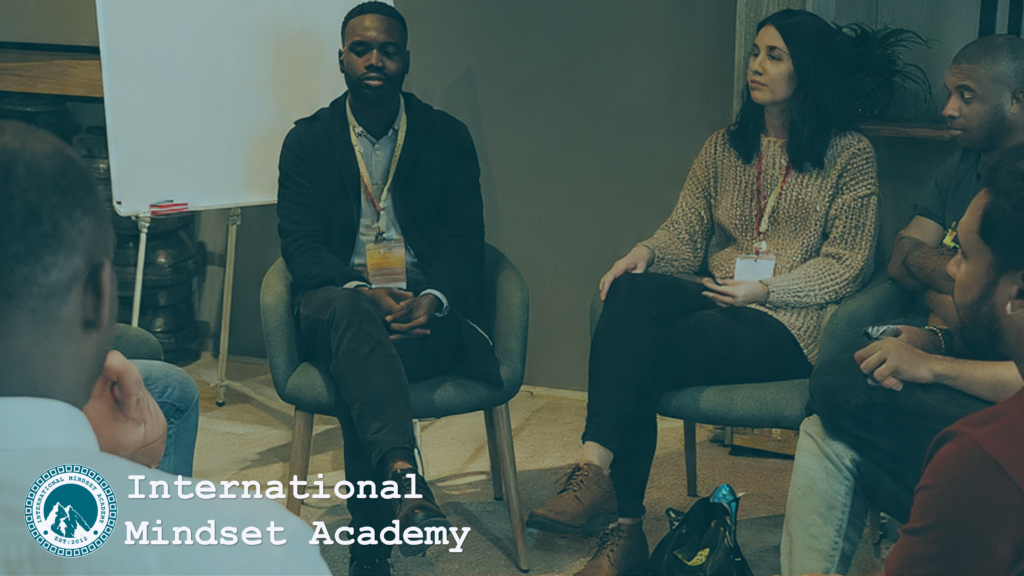
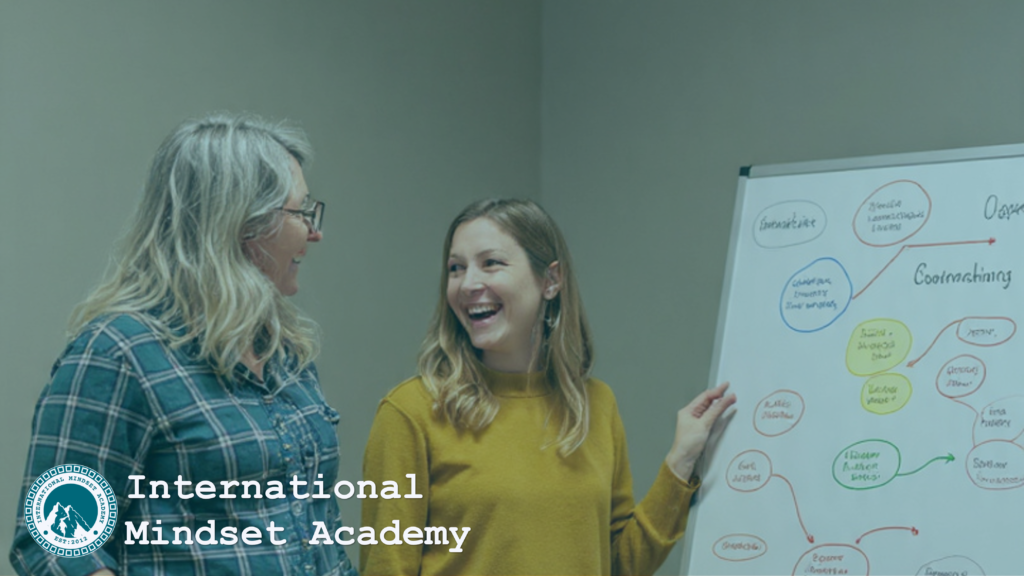
“What we want is to see the child in pursuit of knowledge, and not knowledge in pursuit of the child.”
– George Bernard Shaw
How positive holistic education heals negative learning gaps in 1 life | International Mindset Academy – IMA | Sneha Roy Chakravarty
Blog Summary
Education that only sharpens the mind but ignores the heart, body, relationships, and values leaves a human being half prepared for life. Holistic education invites us to see learners as whole people and to design environments that nurture intellectual, emotional, social, physical, and inner development together. Experiential learning then brings these ideas alive by turning theory into lived practice, allowing children and adults to discover new ways of thinking, feeling, and acting through real experiences.
Whole person development is not a luxury. It is a necessity in a world where complexity, pressure, and rapid change are the norm. Whether you are a parent, teacher, coach, or leader, embracing this approach can help you create spaces where others feel seen, safe, and stretched in healthy ways. If this vision resonates with you, you are warmly invited to explore the learning journeys at International Mindset Academy and to bring a more holistic, experiential, and conscious way of educating into your own life and work.
FAQs
Q: What does “whole human being” mean in education?
A: It means recognising that every learner is more than a mind that absorbs information. There is an emotional world, a social self, a physical body, a creative side, and an inner values system that all influence how learning happens. Holistic education and experiential learning seek to support all these dimensions, so that growth is integrated and sustainable, not fragmented or superficial.
Q: Is holistic education less focused on academic excellence?
A: Not at all. Research shows that when emotional, social, and physical needs are met, academic outcomes often improve because learners feel safer, more motivated, and more engaged. Holistic education does not reduce rigour. It simply adds depth and humanity, so that knowledge builds both competence and character.
Q: How is experiential learning different from traditional teaching?
A: Traditional teaching often relies heavily on lectures and passive listening. Experiential learning creates direct experiences through activities, projects, simulations, and real-life challenges, followed by reflection and application. This cycle helps learners internalise concepts more deeply, develop emotional and social skills, and translate insights into real behaviour change.
Q: Can whole-person development work for adults who are already set in their ways?
A: Yes. Adults may carry more layers of conditioning, but they also carry rich experience and a desire for meaningful growth. When given psychologically safe, well-designed experiential spaces, adults can unlearn old patterns, build emotional intelligence, and develop new capacities for leadership, relationships, and self-management. Many of our IMA participants discover significant shifts even after decades in their careers.
Q: How can I start applying these ideas in my own context?
A: Begin small and practical. Bring more reflection questions into your conversations, create simple rituals for emotional check-ins, and design activities that involve doing, not only listening. Whether you are with children, teams, or clients, ask how you can touch mind, heart, and values together. Over time, these small choices create a culture of holistic, experiential, whole-person development.
Reflective Questions for Readers
When you look back at your own schooling, which parts of you were most nurtured and which parts were neglected?
In your current role as parent, educator, coach, or leader, how often do you intentionally address emotions and values, not just tasks and outcomes?
What is one small experiential learning activity you could bring into your home, classroom, or workplace this week?
Where do you notice the impact of a one-dimensional focus on performance in your own life or in those around you?
If you commit to whole-person development for the next year, what kind of human being do you want to become?
Sneha Roy Chakravarty,
Co-Founder | Director – Learning and Development
International Mindset Academy,
internationalmindsetacademy.org
Hyderabad, Bharat (India).
Content Time Stamp:
- 14-Dec-2025 Published
How positive holistic education heals negative learning gaps in 1 life | International Mindset Academy – IMA | Sneha Roy Chakravarty